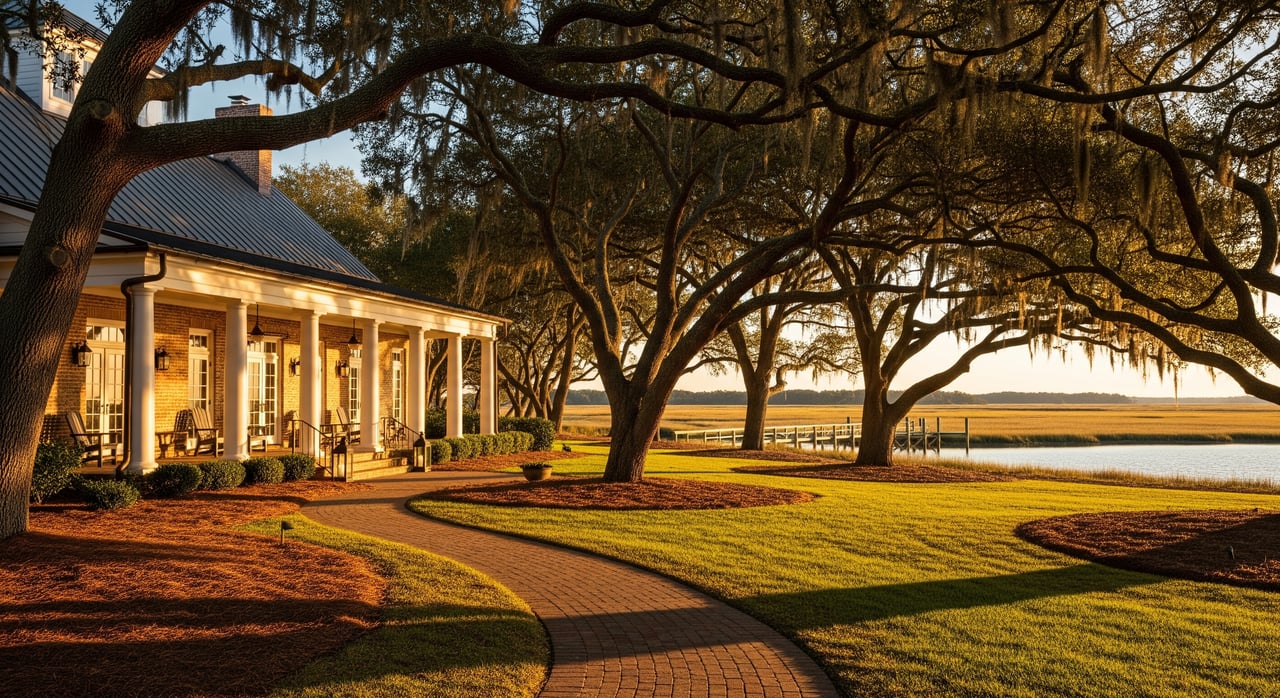
Wondering what a “private club community” really means at The Ford Field & River Club in Bryan County? If you are weighing a home here, you want a clear picture of how membership, fees, and day-to-day access work for golf, the marina, and equestrian activities. This guide simplifies the big ideas and gives you a practical checklist to use during your tour and due diligence. Let’s dive in.
Private club basics at The Ford
A private club community is a residential neighborhood built around one or more private clubs. Membership gives you access to facilities and services, subject to club rules and your membership type. At The Ford, that typically includes golf, marina, equestrian, dining, and social programming, all organized and governed by the club.
It is important to understand the difference between the club and the homeowners association (HOA). The HOA manages neighborhood covenants and common-area maintenance. The club manages membership access, dues, and rules for club facilities. These are separate legal entities. Your obligations to the HOA are different from your obligations to the club, even if they are coordinated in community documents.
Club vs HOA: what you control and pay
Your HOA dues cover neighborhood items such as gate, roads, or landscaping where applicable. Your club dues and fees cover your use of club amenities like golf, marina services, stables, and dining. Each group has its own rules, boards, and budgets. When you buy, you should request the HOA’s CC&Rs and budget along with the club’s membership plan, fee schedule, and bylaws so you can see the full picture of costs and governance.
Membership models to know before you buy
Private clubs are structured in different ways. The model at The Ford determines member rights, fees, and transfer rules. Here are the terms that matter when you evaluate your options:
- Equity vs non-equity: An equity club is member-owned and often gives voting rights and potential equity in the initiation fee. A non-equity, or proprietary, club is owned by a company or developer and sets terms without member ownership. Governance and control differ by model.
- Included vs optional membership: Some communities include a membership with a home purchase, while others require a separate application and initiation. Ask what is included at closing and what is optional.
- Membership categories: Common options include Full or Field & River membership, Golf, Social, Marina/Boating, Equestrian, Junior/Young Adult, Non-resident, and Corporate. Access can vary widely by category.
- Fee types: Plan for an initiation fee, annual dues, potential assessments, and per-use charges such as golf cart fees, lessons, slip fees, stable or boarding fees, and food and beverage minimums. There may also be transfer or termination fees.
The right category depends on how you plan to live. If you want priority tee times or a boarded horse, confirm that your category actually delivers those privileges and that there is current capacity.
How access usually works at The Ford
The Ford’s lifestyle revolves around golf, the Ogeechee River, and equestrian programs. Actual policies change over time, so use this section as your roadmap for questions.
Golf access and expectations
Ask about tee-time reservation windows for residents, the tournament calendar, and any peak-season restrictions. Confirm whether there are member-only times, how far in advance you can book, and how guest play works. It also helps to learn about practice facilities, instruction, and junior programs, as well as cart rules and pace-of-play guidelines. If you are serious about golf, ask about course maintenance schedules and any planned capital projects.
Marina and boating logistics
On the river, access can depend on slip availability, dry-stack options, and tidal conditions. Clarify whether slips are owned or leased, the sizes supported, and what services are available, such as fuel or pump-out. Ask about waitlists, guest policies, and how tidal schedules affect launching and docking. If you have a specific boat length or draft, verify limits before you buy.
Equestrian facilities and programs
For horse owners and riders, confirm the number of stalls, boarding options, turnout, and arena or trail access. Ask about lesson programs, availability for resident-owned horses, and any show or clinic schedule. Also request health and biosecurity policies, including vaccination and quarantine procedures.
Dining and social life
Private clubs often run a calendar of member events with dining reservations, dress codes, and possible food and beverage minimums. Ask about reservation systems, cancellation policies, and private event options if you plan to host gatherings.
Costs that shape your budget
Your cost-to-own at The Ford includes more than the mortgage and property taxes. Build a simple budget with these line items:
- HOA dues and any special assessments
- Club initiation fee (if applicable) and annual dues by category
- Per-use fees: golf cart, lessons, guest rounds, slip or dry-stack fees, fuel, stable or boarding fees
- Food and beverage minimums, if any
- Insurance: homeowners coverage that may include wind or hurricane components, flood insurance if required, boat insurance, and liability coverage for equestrian activities
- Ongoing maintenance: boat servicing, tack and feed, farrier, and routine home care
A clear budget helps you compare membership categories and understand the true monthly cost of your lifestyle.
Lifestyle benefits and tradeoffs
Living in a private club community gives you convenience, curated programming, and a built-in social network. You get access to specialized facilities like a well-maintained course, a staffed marina, and a managed barn. On the flip side, you agree to rules, schedules, and dues. There can be limits on outside access, guest use, and where and how you store boats or trailers. Weigh the structure against your personal routine.
How membership can affect resale
Membership terms can influence your future buyer pool. Some buyers value a robust club with strong standards and well-funded amenities. Others are sensitive to dues, assessments, or waitlists. Ask how memberships are transferred on resale, whether transfer fees apply, and if the buyer must be approved. Also request club financials and recent meeting minutes to understand capital spending and reserves. Strong governance and transparent finances often support long-term desirability.
Due diligence checklist for The Ford buyers
Use this list as you tour and review documents with the membership office and your agent.
Documents to request
- Club: membership plan, bylaws, membership agreement, current fee schedule, list of membership categories and counts, waitlist policies, and minutes from recent membership or board meetings
- Financials: club financial statements for the last 2 to 3 years, current budget and reserve study, recent capital projects and how they were funded, any outstanding loans or liens
- HOA: CC&Rs, bylaws, budget, reserve study, recent meeting minutes, assessment history
- Real estate: sample resale documents showing how membership transfers and fees are handled, plus any recorded covenants affecting transferability
- Insurance and liability: club insurance policies and limits, and any required member insurance
Key questions for club management
- Is a club membership included with a home purchase, or optional?
- What are current initiation fees, annual dues, and any expected changes?
- How are special assessments approved, and when did the last one occur?
- How many members are in each category, and what are current wait times for golf, slips, or stalls?
- Are there reciprocal privileges at other clubs?
- What resale restrictions or approvals exist for incoming members?
Local and regulatory items to verify
- Flood zone and elevation certificates for the property, and whether your lender will require flood insurance
- Property tax history and current millage rates in Bryan County
- Insurance availability and cost for coastal risks, including wind and hurricane coverage
- Environmental rules affecting docks or marina modifications, and any local permit needs
Local coastal context: Bryan County specifics
Coastal homes near Richmond Hill and along the Ogeechee River are subject to tidal influences and storm risk. That means you should check FEMA flood maps, confirm elevation, and budget for flood insurance if required by your lender. Coastal Georgia building codes address wind events, so ask about hurricane-resistant features and any insurance credits you might receive for fortified construction.
If you plan to expand or modify a dock or use certain shoreline improvements, you may need approvals from state and federal agencies. Marina operations and expansion can also be shaped by environmental and navigation rules. Your agent can help you connect with local officials and qualified professionals to review what is allowed on a given parcel.
Steps to get clarity before you buy
- Schedule a tour of the club facilities: golf, marina, barns, fitness, dining. Ask to see reservation systems and any member apps in action.
- Review documents early: membership plan, fee schedule, bylaws, HOA CC&Rs, and budgets. Take notes on dues, transfer rules, and capital projects.
- Confirm capacity: ask directly about tee-time access, slip availability by size, stall counts, and current waitlists.
- Match category to lifestyle: choose the category that aligns with your actual weekly use, not just occasional interests.
- Build a realistic budget: list recurring dues, per-use fees, and insurance. Include a cushion for assessments.
- Talk with current members: learn how policies work day to day and what they value most.
When you are ready to explore homes and membership options, reach out. I can help you schedule tours and gather the right documents so you can make a confident decision. Connect with Paul Armitage for fast, local guidance.
FAQs
Is club membership mandatory when buying at The Ford?
- Policies vary by community and can change over time. Ask the membership office if membership is included with your purchase or optional, and how that affects closing.
How much does membership cost at The Ford?
- Costs depend on membership category and timing. Request the current initiation fee, annual dues, per-use charges, and any food and beverage minimums directly from the club.
Will I get tee times, a slip, or a stall when I join?
- Availability can be capped and may involve waitlists. Ask about current counts, priority rules for residents, and typical wait times for golf, marina slips, and stalls.
Can I sell or transfer my membership when I sell my house?
- Transfer rules are set by the club and may include approvals and fees. Request the membership plan and resale procedures to see how transfers work at closing.
What is the difference between the club and the HOA at The Ford?
- The HOA manages neighborhood covenants and common areas, while the club manages membership access, dues, and amenity rules. Each has separate governance and fees.
What local costs should I plan for in Bryan County?
- In addition to mortgage and taxes, plan for club dues and fees, HOA dues, flood and wind insurance if applicable, and per-use costs for boats or horses.