If you own a home in Richmond Hill, coastal weather is not just a once-a-year concern. Heat, humidity, heavy rain, and hurricane season can all put stress on your roof, siding, drainage, and outdoor spaces. The good news is that a simple seasonal plan can help you protect your home, avoid small problems turning into expensive ones, and stay better prepared when storms roll in. Let’s dive in.
Why coastal weather matters in Richmond Hill
Richmond Hill homes deal with a coastal Georgia climate that brings both moisture and storm risk. Nearby Savannah climate normals show an annual mean temperature of 67.5°F and about 48.12 inches of annual precipitation, with especially wet and hot summer months.
That means your home needs more than basic upkeep. In this area, moisture management is just as important as wind resistance because high humidity, heavy rainfall, drainage issues, and a high water table can all affect how your home performs over time.
The Atlantic hurricane season runs from June 1 through November 30. Georgia emergency officials also note that hurricanes can damage homes far inland, so preparation matters even if you are not right on the water.
Focus on the right home systems
When you prepare for Richmond Hill weather, a few parts of your property deserve extra attention. These areas tend to show wear first and often have the biggest effect on long-term maintenance and resale appeal.
Roof and flashing
Your roof is your first line of defense against wind-driven rain. Missing shingles, lifted edges, worn flashing, or attic leaks can let water in quickly during summer storms or hurricane season.
A roof check in spring and fall is a smart routine. It also helps to inspect again after any major storm, especially if you notice water stains, damp insulation, or debris on the roof.
Siding, trim, and paint
Coastal heat and humidity can be hard on exterior materials. Loose siding, peeling paint, and decayed trim around windows and doors can create entry points for moisture.
Catching those issues early can help you avoid deeper repairs. Fresh paint, solid trim, and sealed openings also make your home look well cared for, which matters if you plan to sell.
Gutters and drainage
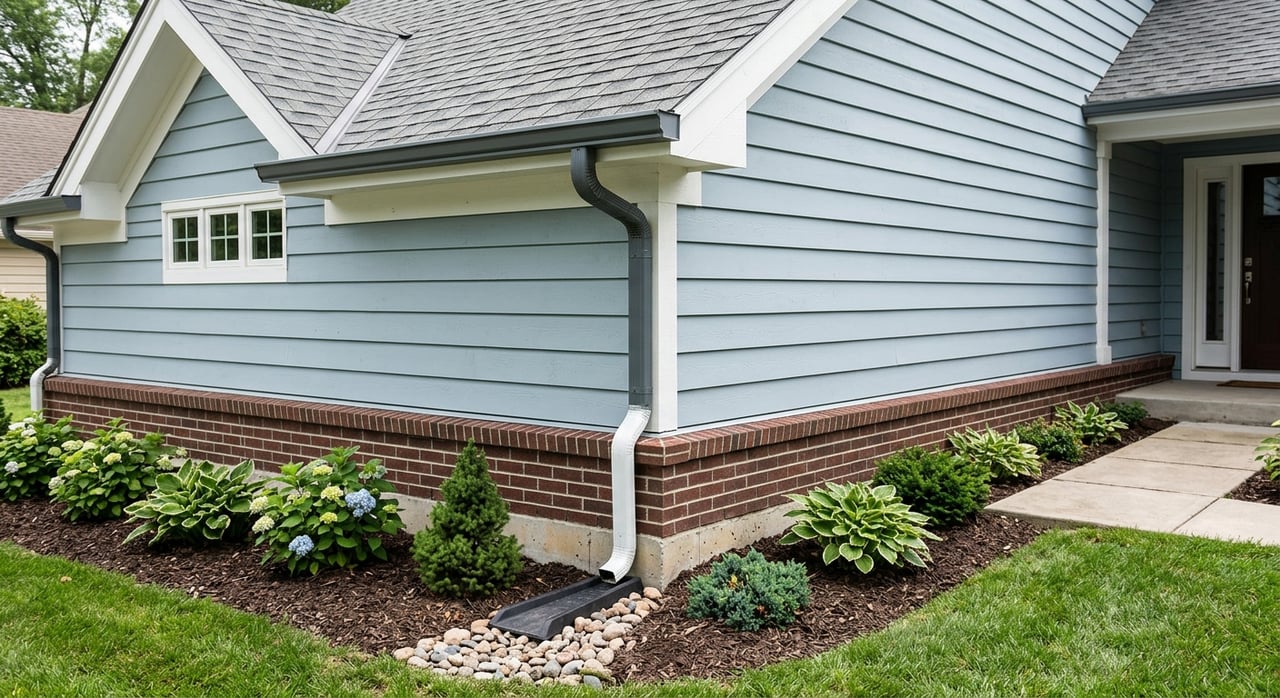
In Richmond Hill, roof runoff needs to move away from the home efficiently. UGA guidance recommends cleaning gutters and downspouts and making sure they discharge water 2 to 3 feet away from the house.
This is especially important in Bryan County, where relatively flat terrain can cause stormwater to overwhelm drainage systems during heavy rain. If water ponds near your foundation, washes out soil, or backs up near inlets, it is worth addressing quickly.
Trees and landscaping
Landscaping is not just about curb appeal in coastal Georgia. Trees and shrubs that touch the roof or siding can trap moisture and increase storm damage risk.
Trimming back overgrowth and removing dead plants near the house can reduce that risk. Native or site-appropriate plants can also be a practical choice because they are better suited to coastal soils, heat, humidity, salt exposure, drainage issues, and high water tables.
Decks, fences, and outdoor items
Outdoor structures and furniture need their own storm plan. Decks and fences should be checked for rot, while grills, patio furniture, and decor should be easy to store or secure before severe weather.
During hurricane season, unsecured items can become dangerous debris. Having a plan before a warning is issued can save time and reduce stress.
Spring prep before hurricane season
Spring is the best time to do a full exterior walkthrough. It gives you a chance to catch wear from winter and prepare your home before the wettest and stormiest part of the year.
Your spring checklist
- Inspect the roof surface for missing shingles, lifted edges, and damaged flashing
- Check eaves, soffits, and attic vents
- Look for attic leaks or signs of moisture
- Inspect siding and trim for loose pieces, peeling paint, or decay
- Clean gutters and downspouts
- Make sure downspouts send water at least 2 to 3 feet away from the house
- Trim trees and shrubs away from the roof and siding
- Remove dead plants or shrubs near the home
- Inspect decks and fences for rot
- Label and organize shutters or storm panels if you have them
If your home uses temporary window protection, Georgia emergency guidance recommends shutters or 5/8-inch exterior-grade or marine plywood. The key is to have materials ready before a storm watch or warning.
Summer watch points for rain and humidity
Summer is when Richmond Hill homes are most likely to deal with standing water, runoff issues, and moisture intrusion. June is especially rainy, and July and August bring very hot daily maximum temperatures.
That combination of heat and moisture can create fast-moving problems. Small leaks, damp crawlspaces, and poor drainage can turn into mold or material damage if you do not catch them early.
What to monitor in summer
After heavy rain, walk your property and look for these issues:
- Ponding water near the foundation
- Clogged storm inlets or blocked drainage paths
- Soil erosion around downspouts
- Damp attic insulation or ceiling stains
- Wet crawlspaces or musty odors
- Signs of mold after leaks or flooding
UGA notes that roof leaks, flooding, and high humidity are common mold triggers. If materials get wet, drying them within 24 to 48 hours is an important step in reducing mold risk.
Fall prep during peak hurricane season
Fall is the time to tighten up your storm plan. Even if your home came through summer in good shape, peak storm risk means it is worth rechecking the basics.
Your fall checklist
- Reinspect shingles and flashing
- Recheck window protection supplies
- Trim trees and shrubs, especially overhanging limbs
- Bring in or secure patio furniture, grills, bins, and decorations
- Review flood insurance and homeowners coverage
- Identify flood-prone areas near your property
- Know your evacuation zone and more than one route out of the county
- Keep at least half a tank of gas during hurricane season
It also helps to think about timing. Waiting until a warning is issued can make simple prep harder, especially if stores are crowded or outdoor conditions worsen quickly.
Winter is for repairs and records
Winter is usually quieter in coastal Georgia, which makes it a good season for follow-up work. If your home had any storm-related wear, now is the time to fix it before spring and summer bring more moisture.
Focus on caulk, paint, rust, rot, and any areas that stayed damp after a storm. UGA also recommends keeping indoor relative humidity under 50 to 60 percent to help reduce mold risk.
Winter is also a practical time to organize records. Photos, repair receipts, and maintenance notes can help you track the home’s condition and make future resale conversations easier.
Pay attention to local drainage conditions
One of the most important parts of protecting a Richmond Hill home is understanding how water moves around your lot. Local drainage patterns can matter just as much as the home itself, especially near low areas, ditches, canals, or marsh edges.
Richmond Hill’s stormwater program manages drainage issues within the city, including ditches, culverts, and related infrastructure. Bryan County also notes recurring localized flooding in some areas and provides access to flood-zone and flood-map information.
For many homeowners, local flood maps are more useful than general advice. If you are buying, selling, or maintaining a home in a lower-lying area, checking those local resources can help you better understand the property’s setting.
Yard habits that help reduce flooding
Some of the most helpful prevention steps are simple everyday habits:
- Do not blow leaves, pine needles, grass clippings, or soil into the street
- Keep storm drains and drainage paths clear
- Keep ditch banks free of brush and debris if your property borders one
- Avoid washing soaps or chemicals into storm drains during exterior cleanup
- Consider rain barrels, permeable surfaces, or rain gardens to reduce runoff
These steps support both your property and the larger drainage system around it.
What matters for resale value
If you may sell in the next few years, coastal-weather prep is also part of smart resale planning. Buyers notice signs of deferred maintenance, especially in a climate where moisture and storms are common concerns.
The systems that tend to matter most are roof condition, siding and paint, drainage, tree clearance, and visible moisture issues. When those areas look well maintained, your home is easier to show, easier to explain, and often easier for buyers to feel confident about.
For sellers, that means seasonal maintenance is not just a homeownership task. It is also part of protecting your future marketability.
If you are unsure which repairs to prioritize before listing, local guidance can help you focus on the issues that matter most in Richmond Hill’s climate. For practical advice on preparing your home for sale or understanding what buyers may notice first, Paul Armitage offers fast, honest guidance tailored to Richmond Hill and nearby coastal communities.
FAQs
How often should I inspect a Richmond Hill roof and gutter system?
- At least in spring and fall, plus after major storms.
What home features matter most for coastal weather in Richmond Hill?
- The roof, flashing, siding, trim, gutters, drainage paths, tree clearance, and moisture-prone areas like attics and crawlspaces matter most.
Does homeowners insurance usually cover flood damage in Bryan County?
- Usually not. Flood coverage is typically separate from a standard homeowners policy.
Who handles drainage concerns for homes in Richmond Hill?
- Richmond Hill’s stormwater program and Bryan County’s stormwater and flood-information resources are the most relevant local contacts.
What landscaping works best for Richmond Hill homes?
- Native or site-appropriate plants that can handle coastal soils, heat, humidity, storms, salt exposure, drainage issues, and high water tables are a practical fit.
What should Richmond Hill homeowners do before hurricane season starts?
- Inspect the exterior, clean gutters, trim trees and shrubs, check roof and siding condition, and make sure storm panels or shutters are ready.
Why is drainage such a big issue for Richmond Hill properties?
- Bryan County’s flat terrain, heavy rainfall, and localized flooding risk can make stormwater harder to move away quickly during major rain events.