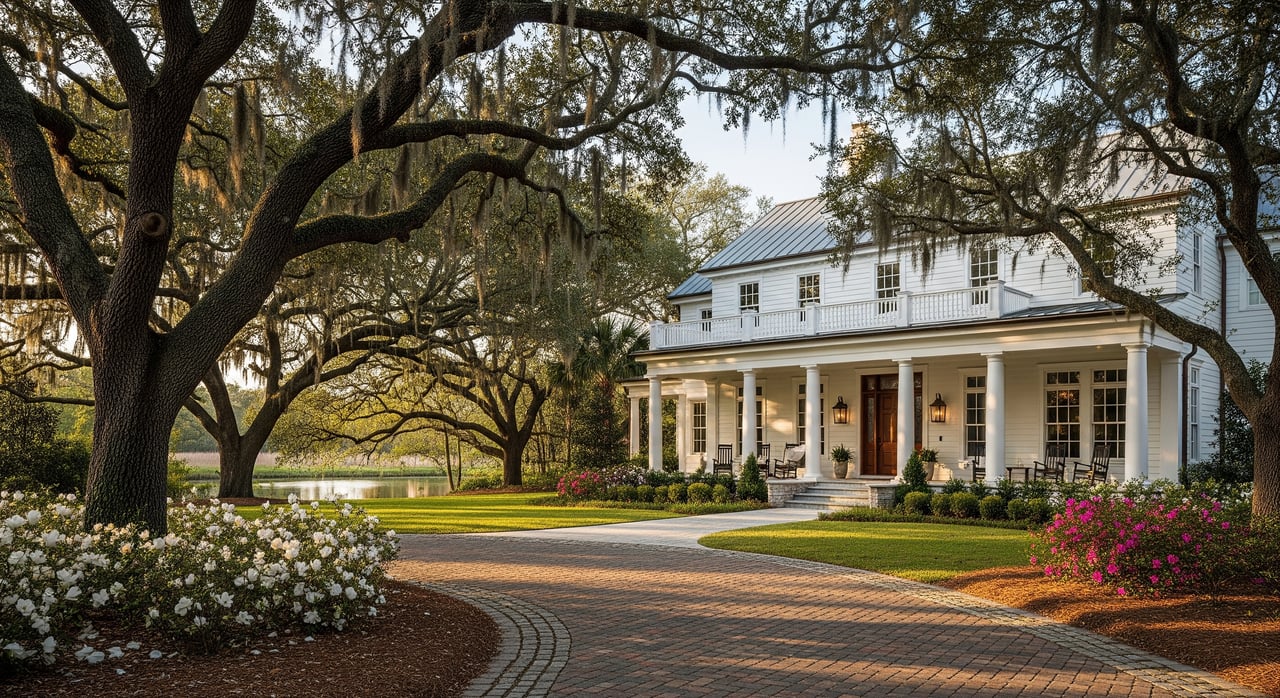
Thinking about a move to Bloomingdale? You’ll likely notice the quieter pace first, then how everyday life revolves around short drives for work, school, errands, and weekend fun. If you want more space without giving up access to Savannah’s jobs and amenities, this suburb can be a smart fit. In this guide, you’ll learn what new residents often notice, from commutes and shopping to parks, schools, housing, and flood basics. Let’s dive in.
First impressions: space and pace
You feel the shift as soon as you turn off the busier corridors. Streets are calmer, homes often sit on larger lots, and the vibe blends long‑time locals with newer subdivisions. Daily routines tend to center on home, school activities, and quick trips to nearby shopping hubs. It’s suburban and semirural at once, which is a big reason families look here.
Commutes and getting around
Most residents drive. Public transit is limited compared with Savannah proper, so your car will do most of the work.
Typical non‑peak drives into central Savannah are often in the 20 to 35 minute range, with peak periods running longer based on your exact location. That lines up with regional patterns reported by the American Community Survey. Commuters heading to Pooler, the airport area, or I‑95 corridors see timing swing with traffic, construction, and weather.
Common routes and timing
You’ll use a mix of regional arterials and interstates to reach work, shopping, and medical offices. Traffic ebbs and flows during shift changes and school hours. Before you buy, test‑drive your route at the times you plan to travel and check the Georgia Department of Transportation for corridor updates and traffic counts.
Transit and rideshare basics
Chatham Area Transit is the region’s primary bus system. Fixed‑route coverage around Bloomingdale is limited, so plan on driving for most trips. Rideshare options are common in the greater Savannah area, which can help for airport runs or nights out.
Daily conveniences and errands
Bloomingdale’s local retail is lighter, so you’ll make short drives to nearby Pooler, Garden City, or Savannah for full‑service grocery stores, pharmacies, big‑box retailers, and medical providers. Most errands are not walkable, and availability can vary by street. When house‑hunting, map the closest grocery, pharmacy, and urgent care from each address and time the drive during your usual errand window.
Healthcare and services
Expect to access primary care, urgent care, and hospitals in nearby cities. If a tight schedule matters, check drive times from a specific property to your preferred providers and confirm office hours that fit school and work routines.
Parks, outdoors, and weekends
If you enjoy yard space and easy access to nature, you’ll feel at home. Families often spend weekends on yard projects, school sports, and quick trips to regional outdoor spots. Popular coastal and Lowcountry attractions, such as Oatland Island, Skidaway Island State Park, and Tybee Island, are within a drive for hiking, wildlife viewing, and beach days. Local community parks and playgrounds serve everyday needs, with bigger adventures a short car ride away.
Community life often flows through churches, school fields, and seasonal events. To get a feel for nearby happenings, check regional listings in the Savannah Morning News and community calendars.
Schools and programs
Bloomingdale is served by the Savannah‑Chatham County Public School System. Attendance zones and program offerings can change, so verify current boundaries, school options, and any magnet or specialty programs on the SCCPSS site before you decide on a neighborhood. Families typically look at school location, commute fit, and extracurricular access when comparing areas.
Homes, lots, and neighborhood feel
You’ll see a mix of older single‑family homes that reflect a rural past alongside newer subdivisions. Compared with denser urban neighborhoods, larger lots are more common, which appeals to buyers who want room for pets, gardens, or workshops. New construction has followed regional growth, and you should weigh build age and HOA rules against your wish list for storage, parking, and yard usage.
When comparing properties, focus on the details that affect daily life. Consider commute windows, yard upkeep, proximity to your must‑have stores and services, and potential resale appeal if you expect to move within a few years.
Flood risk and insurance
Coastal Georgia’s low‑lying landscape makes flood awareness essential. For any property you’re considering, review its flood zone and elevation. Start with the FEMA Flood Map viewer to see if it is in a Special Flood Hazard Area and learn how that could affect insurance. You can also review local rules and resources through Chatham County, including floodplain management and drainage updates. Ask about any past flood history and verify coverage requirements with your insurer.
What new residents notice first
- Quiet streets and more elbow room. Larger lots and fewer through‑streets shape a calmer daily rhythm.
- More driving, fewer walkable errands. Most trips are short drives rather than walks.
- Weekends around home and nature. Many families split time between yard projects, school events, and coastal getaways.
- Commute windows matter. A 20 to 35 minute non‑peak drive into Savannah can grow during rush hours.
- School and program fit is key. Families often choose neighborhoods based on attendance zones and extracurricular access.
How a local guide helps
Because every address lives differently, you want a clear plan. A local, service‑first agent can help you test commute times, compare neighborhoods, confirm school zones, and review flood maps so you choose a home that fits your routine. If you’re relocating on a tight timeline or coordinating a Military PCS, fast answers and practical tools make the difference.
Ready to get oriented, compare homes, or ask about a specific street? Reach out to Paul Armitage for local guidance, instant valuations, and quick, honest answers.
FAQs
How long is the drive to downtown Savannah from Bloomingdale?
- Typical non‑peak drives are often 20 to 35 minutes, with peak times running longer based on your exact location and route.
Is public transit a realistic option from Bloomingdale?
- Fixed‑route service is limited in Bloomingdale, and most residents drive; check Chatham Area Transit for current routes.
Where do residents shop for groceries and essentials?
- Many residents drive to Pooler, Garden City, or Savannah for full‑service grocery stores, pharmacies, and big‑box retailers.
Which schools serve Bloomingdale addresses?
- Public schools are part of the Savannah‑Chatham County Public School System; verify current attendance zones and any specialty programs before you decide.
Do I need to worry about flood insurance in Bloomingdale?
- Check the property’s flood zone using the FEMA Flood Map viewer and review local guidance through Chatham County to understand potential insurance requirements.
Are there nearby parks, beaches, and nature areas?
- Yes, local parks serve daily needs and regional destinations like Oatland Island, Skidaway Island State Park, and Tybee Island are within a drive for weekend outings.