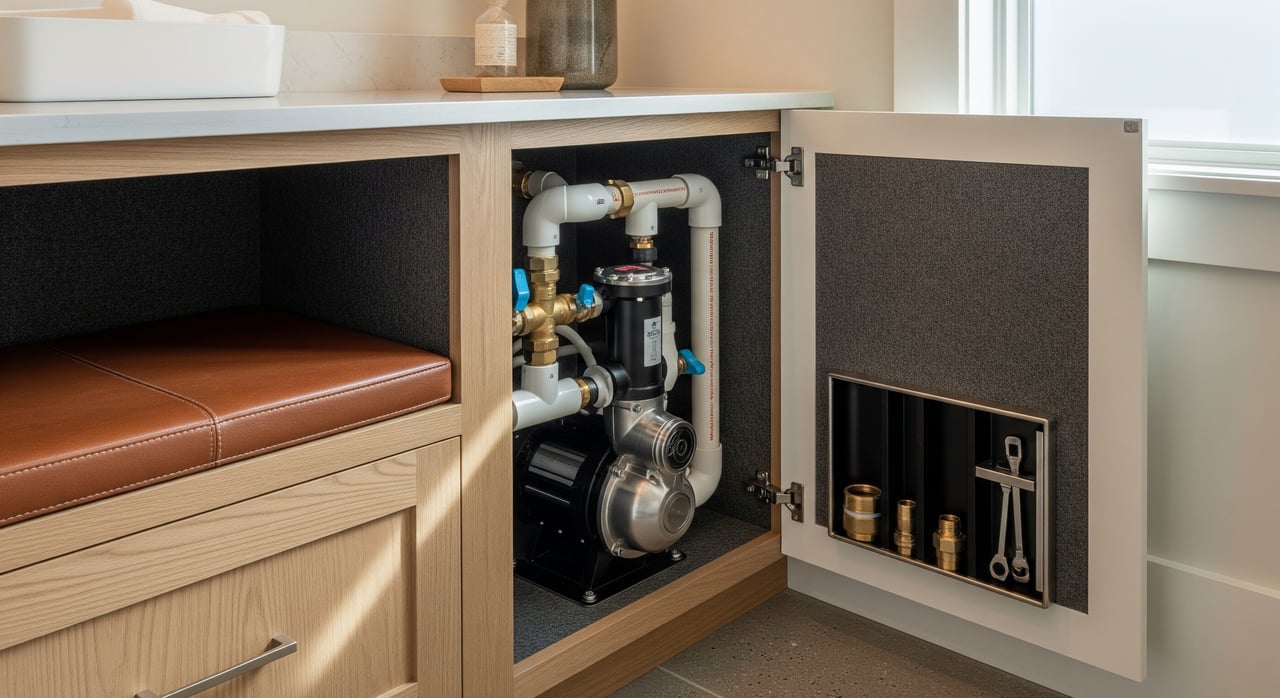
If your Bloomingdale home uses a grinder pump, a little care goes a long way. During a power outage, your tank only holds about 45 gallons, so a few toilet flushes or a load of laundry can cause a backup fast. It can feel technical, but with a simple routine you can protect your system, avoid costly repairs, and sail through outages with less stress. This guide gives you clear steps, local contacts, cost expectations, and a buyer and seller checklist. Let’s dive in.
Grinder pump basics in Bloomingdale
A grinder pump collects household wastewater in a small basin, grinds solids into a slurry, and sends it through a pressurized line to the sewer main. That setup lets homes below street grade connect to the public system. If you want a quick primer, review this plain‑English overview of how grinder pumps work from InterNACHI’s inspectors resource (what a grinder pump does).
Bloomingdale uses grinder pumps for many customers and provides guidance and emergency contacts on the city website. The City notes a residential basin holds about 45 gallons and advises reducing water use during outages and keeping grease out of drains. You can find current contacts and guidance on the Bloomingdale Water & Sewer page.
Tank capacity and outages
The City specifically warns the tank will hold only about 45 gallons during a power outage. Do not use water during an outage until power returns and the system cycles down. That simple step prevents backups into your home.
Daily care: what to flush and pour
The golden rule: only flush human waste and toilet paper. Manufacturers are clear that wipes, even those labeled “flushable,” do not break down like toilet paper and can clog pumps and pressurized mains. See Zoeller’s homeowner guidance on what not to flush.
Skip these down any drain or disposal:
- Wipes, paper towels, diapers, or feminine products
- Dental floss, cotton swabs, rags, or kitty litter
- Grease, fats, and oils, coffee grounds, or food solids
- Paint, solvents, automotive fluids, or chemicals
Bloomingdale also cautions about grease buildup in grinders and sewer lines. Collect used cooking oil and grease in a sealed container and place it in the trash instead of pouring it down the sink. City reminders are on the Water & Sewer page.
Keep equipment accessible and safe
- Keep the station lid, vent, and alarm panel visible and easy to reach. Do not plant shrubs or build structures over the area.
- Be careful digging in the yard. Discharge piping and control wires can be damaged.
- Do not open the basin cover or the electrical control panel yourself. Manufacturer guidance warns of shock, contamination, and service issues. For safety best practices, review E/One’s homeowner guidance.
Power outages and alarm steps
If the alarm sounds:
- Press the alarm silence button if your panel has one. Do not ignore the alarm light.
- Limit water use immediately. Avoid showers, laundry, dishwashers, and flushing if possible.
- Wait 10 to 20 minutes. Heavy use can trigger a temporary high level that clears on its own.
- If the alarm stays on, contact Bloomingdale Public Works or the after‑hours grinder emergency number listed on the Water & Sewer page. Do not open the basin or control box.
These steps mirror common utility procedures. For a quick reference to typical alarm actions, see this utility FAQ on grinder pump alarms.
Warning signs and common failures
Watch for these issues:
- Frequent or continuous pump running, alarm activation, or breakers tripping
- Slow drains or gurgling fixtures
- Sewage odors near the basin, standing water, or visible leaks
If you notice these, reduce water use and call for service. Many problems come from non‑flushables, grease buildup, float or control failures, or discharge line blockages. Zoeller outlines common failure causes in its grinder pump guide, and this homeowner article lists warning signs to watch.
Who maintains what
Utilities often maintain the grinder pump station, pump, control panel, and force main, while homeowners handle interior plumbing and the private lateral to the station. Policies vary by city. Bloomingdale’s website indicates the City handles grinder pump issues through Water, Sewer, and Public Works, but you should confirm current responsibilities and hours with City Hall. For context on how many utilities split duties, see ONWASA’s grinder pump policy overview and confirm Bloomingdale’s exact policy on the Water & Sewer page.
Costs and lifespan
Grinder pumps commonly last about 7 to 10 years under normal use, and energy costs are often modest, typically in the tens of dollars per year, depending on runtime. See a homeowner overview of lifespan and operating cost.
Installation or replacement costs vary by unit, site conditions, electrical work, and labor. National estimates show broad ranges for full installations from roughly $2,000 to more than $6,000, while simple repairs or pump‑only replacements can be under $1,000 to several thousand. For ballpark ranges, review this ejector and grinder cost guide. Local charges can differ, and some cities set equipment fees. Bloomingdale has posted historical fee schedules, which may not reflect current rates; see the City’s fee schedule archive and call City Hall for up‑to‑date pricing.
Buyer and seller checklist
Use this list during prep, showings, or inspections:
- Make and model: Note manufacturer, model, and approximate age. Gather any warranty or install documents.
- Service records: Collect inspection dates, cleanings, clogs, repairs, or replacements.
- Ownership and fees: Ask whether Bloomingdale provided or owns the pump and whether there is any related fee. Verify with the City.
- Alarm test: Confirm the alarm panel lights and horn work. Know how to silence and reset.
- Piping and valves: Ask about recent inspection or replacement of discharge piping, check valve, and the private lateral.
- Emergency response: Confirm who to call, what counts as an emergency, and response hours. Use the contacts on the City’s Water & Sewer page.
Quick‑start care checklist
Post this near your breaker panel or fridge:
- Locate the basin lid, vent, shutoff valve, and alarm panel.
- Record pump make, model, and install date. Keep service logs.
- Post Bloomingdale’s grinder emergency number from the Water & Sewer page.
- Only flush toilet paper and human waste. Keep wipes and grease out of drains.
- During outages, avoid all water use until power returns and the pump cycles down.
Ready to buy or sell in Bloomingdale and want practical guidance on grinder pump due diligence, service records, and local contacts? Reach out to Paul Armitage for clear, neighborhood‑level advice and fast, local support.
FAQs
What is a grinder pump and why would my Bloomingdale home have one?
- A grinder pump grinds wastewater solids and pushes the flow through a pressurized line to the sewer, which helps homes below street grade connect to the public system; see this overview of how grinder pumps work.
How much wastewater can the tank hold during a power outage in Bloomingdale?
- The City warns a residential grinder tank holds about 45 gallons, so minimize water use until power is restored; see the City’s Water & Sewer guidance.
What should I do when my grinder pump alarm goes off?
- Silence the horn if possible, stop water use, wait 10 to 20 minutes, and call Bloomingdale Public Works if the alarm stays on; typical steps are outlined in this grinder alarm FAQ.
What items should never go down drains with a grinder pump?
- Avoid wipes, paper towels, feminine products, floss, cat litter, food solids, and grease, along with paints or chemicals; see Zoeller’s guidance on what not to flush.
Who handles grinder pump repairs in Bloomingdale?
- Bloomingdale’s site indicates Water, Sewer, and Public Works address grinder pump issues, but confirm current responsibilities and hours with City Hall; contacts are on the Water & Sewer page.
How long do grinder pumps last and what do replacements cost?
- Many last about 7 to 10 years under normal use, with national cost ranges from roughly $2,000 to more than $6,000 for full installs, depending on site conditions; see this cost overview and confirm local pricing with the City or a licensed contractor.