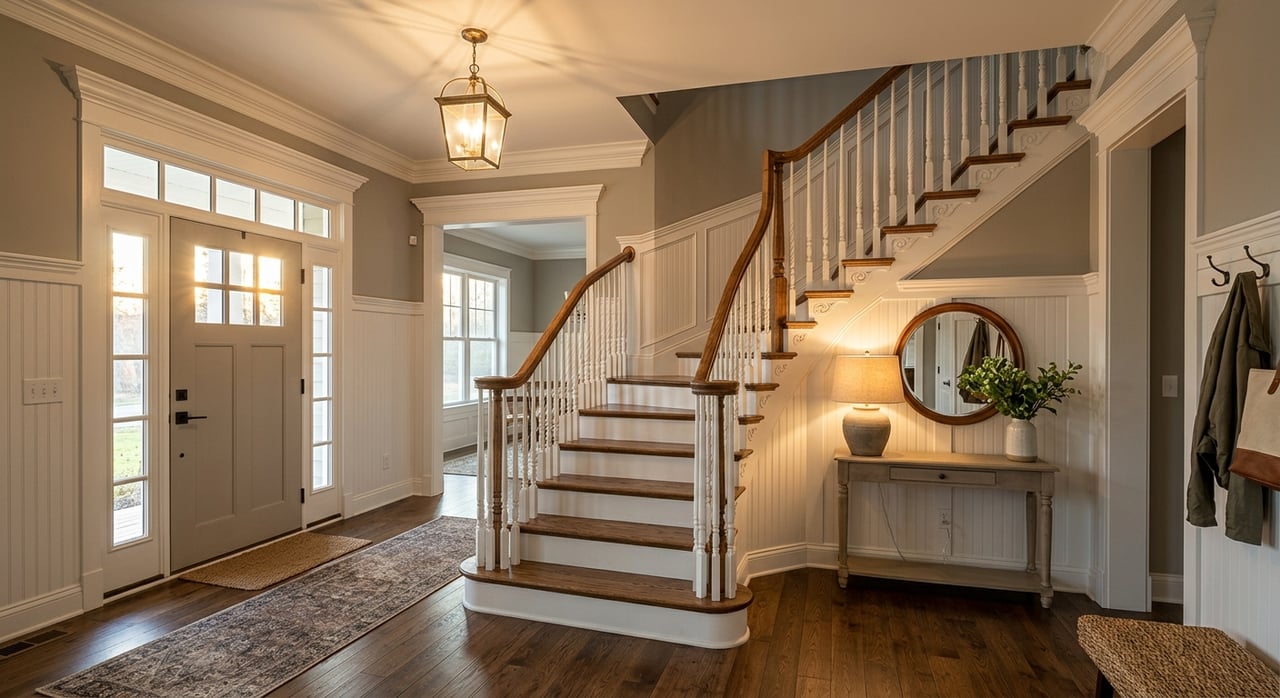
Ready to buy a brand-new home in Richmond Hill? New construction can give you current-code construction, fresh finishes, and modern community amenities, but it also comes with contracts, fees, timelines, and site questions that resale buyers may not expect. If you want to make a smart move, it helps to understand how new construction works locally before you sign. Let’s dive in.
Why Richmond Hill new construction is different
Richmond Hill is not a one-size-fits-all new-build market. One of the first things you need to confirm is whether the homesite sits inside Richmond Hill city limits or in unincorporated Bryan County. That single detail can affect permitting, inspections, utility service, and what you pay over time.
Inside the city, Richmond Hill provides water, sewer, and trash service to residential properties within city limits. The city also handles permits and inspections through its own process. In unincorporated South Bryan, Bryan County serves much of the area, but not every parcel has public water and sewer, so availability should be confirmed before you commit to a lot.
That local distinction matters even more because utility costs can change by jurisdiction. Richmond Hill notes that utility rates outside the city limit are billed at 150 percent of the current rate. If you are comparing two similar homes, the monthly cost difference may not show up in the base price, but it can affect your long-term budget.
Start with the lot, not the floor plan
It is easy to fall in love with a model home or a polished builder brochure. In Richmond Hill, the lot itself deserves just as much attention as the home design. A beautiful floor plan can still come with site issues that affect cost, timing, and future use.
Because this is a coastal area, flood risk should be reviewed early. Richmond Hill’s flood-protection guidance says low-lying coastal plains can be subject to flooding from rivers, canals, and hurricanes. Before building, the city advises buyers to check the flood zone, base flood elevation, nearby wetlands, and floodway proximity.
Those factors are not just technical details. They can affect fill requirements, grading, stormwater controls, permit conditions, and what can be built on the homesite. If a lot is in a special flood-hazard area, the city also requires flood-damage control compliance along with erosion and sedimentation best practices.
How the local build process usually works
Most Richmond Hill new-build purchases follow a similar path, even though every builder has its own timeline and contract. In general, you choose a homesite or quick-move-in home, sign the builder’s contract, move through permitting and inspections, set up utilities, complete the punch list, and then close.
Inside Richmond Hill, the city uses CivicGov for permitting and inspections. The city also notes that if you are not using the portal, inspection requests should be made with 24-hour advance notice. For single-family new construction, the city uses a residential packet specific to that type of build.
Bryan County uses digital permitting as well. The county states that for brand-new construction requesting county water and sewer service, county water and sewer is automatically notified. The county also says inspections typically follow a next-day pattern when requests are made before 4 p.m.
Expect new-construction fees before closing
One of the biggest surprises for buyers is that some costs show up much earlier than they would in a resale purchase. In Bryan County, transportation impact fees for new residential permits in unincorporated North and South Bryan must be paid before permit issuance. The county also states that water and sewer connection fees are charged at building-permit issuance.
That means part of your cost picture may be tied to the permit stage, not just closing day. If you are comparing builders or communities, ask for a clear breakdown of what is included in the purchase price and what is due before the home is complete. This is especially important if you are buying from a distance or trying to keep your cash needs predictable.
Richmond Hill build timelines can shift
Many buyers want a firm completion date, especially if they are planning a move around a job change, lease ending, or military relocation. In reality, new-construction timelines are estimates, not guarantees, unless the contract clearly says otherwise. Lot conditions, weather, permit timing, buyer selections, and inspection scheduling can all affect the build.
A local Richmond Hill builder example markets a typical build time of about 6 to 8 months in one community while also offering quick-move-in inventory. That gives buyers a useful benchmark, but it should still be treated as an estimate. Georgia consumer guidance says start and completion dates should be written into the contract.
If your timing matters, ask direct questions before signing:
- Is this a to-be-built home or a quick-move-in home?
- What date range is the builder projecting today?
- Is the completion date written into the contract?
- What happens if construction is delayed?
Community amenities can shape your decision
In Richmond Hill, many new-home communities are sold as a full lifestyle package, not just a house. That can be a real advantage if you want shared recreation spaces, trails, pools, or other organized amenities. It also means you should evaluate the neighborhood structure as carefully as the floor plan.
Local community examples show a wide range of amenity styles. Some Richmond Hill developments feature resort-style pools, clubhouses, trails, fitness spaces, dog parks, playgrounds, gardens, or waterfront-oriented features. Others offer a more traditional suburban mix, and some communities are age-restricted.
For you as a buyer, the practical takeaway is simple. Ask what amenities already exist, what is still planned, what fees are required, and who maintains them. Some builder materials also note that community association fees may apply, so that cost should be part of your monthly budget review.
Builder contracts deserve a close read
New-construction contracts are often more builder-specific than resale contracts. That is why the fine print matters. Georgia consumer guidance says you should insist on a written contract with all guarantees, warranties, promises, and start and completion dates in writing.
The state also says buyers must receive notice of Georgia’s Right to Repair Act in their sales contracts. If a dispute comes up later, the state recommends following the warranty procedure and keeping records. That makes it important to understand the process before you sign, not after you move in.
Local builder materials also show why this matters in real life. Some state that prices, incentives, features, options, floor plans, elevations, materials, dimensions, and amenities are subject to change without notice. Some also note that planned community improvements or recreational features may be based on current development plans and are not guaranteed to be completed.
Watch the upgrades that raise your price fastest
A base price can look appealing at first glance, but your final price may rise quickly once you add site-related costs and design upgrades. In Richmond Hill, some of the biggest pressure points are lot premium, elevation choices, drainage and grading, outdoor living features, countertop and flooring packages, appliance packages, and HOA-related fees.
Site work is especially important in this area. Richmond Hill’s flood-protection guidance and lot-grading requirements show why drainage, fill, and grading are not minor details. If the lot has special flood or stormwater considerations, those conditions may affect both build cost and what improvements are practical later.
Before you sign, ask for a line-by-line breakdown of:
- Base price
- Lot premium
- Included finishes
- Upgrade packages
- Site work or grading costs
- HOA or association fees
- Utility connection or impact-related costs
New homes still need inspections and punch lists
A brand-new home is not the same thing as a perfect home. Even with new construction, an independent inspection can still be useful. Georgia consumer guidance recommends using a professional home inspector if needed and documenting repair requests carefully.
You should also expect a punch-list process before closing. That gives you a chance to note incomplete items, finish issues, or repairs that still need attention. After closing, keep records of warranty claims and follow the builder’s stated process if a covered issue comes up.
New construction vs. resale in Richmond Hill
For many buyers, the real choice is not just which house to buy. It is whether new construction or resale better fits your priorities. In Richmond Hill, new construction often offers current-code construction and the ability to choose finishes, but it can also bring more contract complexity and more schedule uncertainty.
Both Richmond Hill and Bryan County adopted 2024-code editions effective January 1, 2026. That gives new homes a current-code advantage that may matter to buyers who want newer systems and standards. At the same time, resale homes may offer immediate occupancy and a more established neighborhood setting.
When you compare the two, look beyond the list price. A lower base price in new construction may not stay lower once you factor in upgrades, impact fees, utility differences, and association costs. A resale home may have fewer moving parts, but it may not offer the same customization or amenity package.
Questions to answer before signing
If you are shopping new construction in Richmond Hill, these are the key questions to answer before you move forward:
- Is the lot inside Richmond Hill city limits or unincorporated Bryan County?
- Are water, sewer, and trash available now?
- What utility rates apply to this address?
- Is the homesite in or near a flood zone, wetland, or floodway?
- What is included in the base price?
- Which finishes, features, or site items are upgrades?
- What fees are due before permit issuance or closing?
- What completion date is projected, and is it written into the contract?
- What warranty applies, and how do you submit claims?
- Are HOA or association fees required?
- Are amenities complete, approved, or still planned?
Getting clear answers upfront can save you money, stress, and surprises later.
If you want practical guidance as you compare builders, communities, or resale alternatives in Richmond Hill, Paul Armitage can help you sort through the details and move forward with confidence.
FAQs
What should you verify first when buying new construction in Richmond Hill?
- Verify whether the homesite is inside Richmond Hill city limits or in unincorporated Bryan County, because that can affect permits, inspections, utilities, and monthly service costs.
Why do flood questions matter for Richmond Hill new construction?
- Richmond Hill’s coastal setting means some low-lying areas can be affected by flooding from rivers, canals, and hurricanes, so buyers should review flood zone, base flood elevation, wetlands, and floodway proximity before committing.
Are utility costs different inside and outside Richmond Hill city limits?
- Yes. Richmond Hill states that utility rates outside the city limit are billed at 150 percent of the current rate, which makes location verification important.
What fees can appear early in a Bryan County new build?
- In unincorporated Bryan County, transportation impact fees must be paid before permit issuance, and the county also says water and sewer connection fees are charged at building-permit issuance.
Should you get an inspection on a brand-new home in Richmond Hill?
- Yes. Even with new construction, an independent inspection and a careful punch list can help you catch issues early and document repair requests properly.
What should a Richmond Hill new-construction contract include?
- Georgia guidance says the contract should put guarantees, warranties, promises, and start and completion dates in writing, and buyers should review the builder’s warranty process before signing.